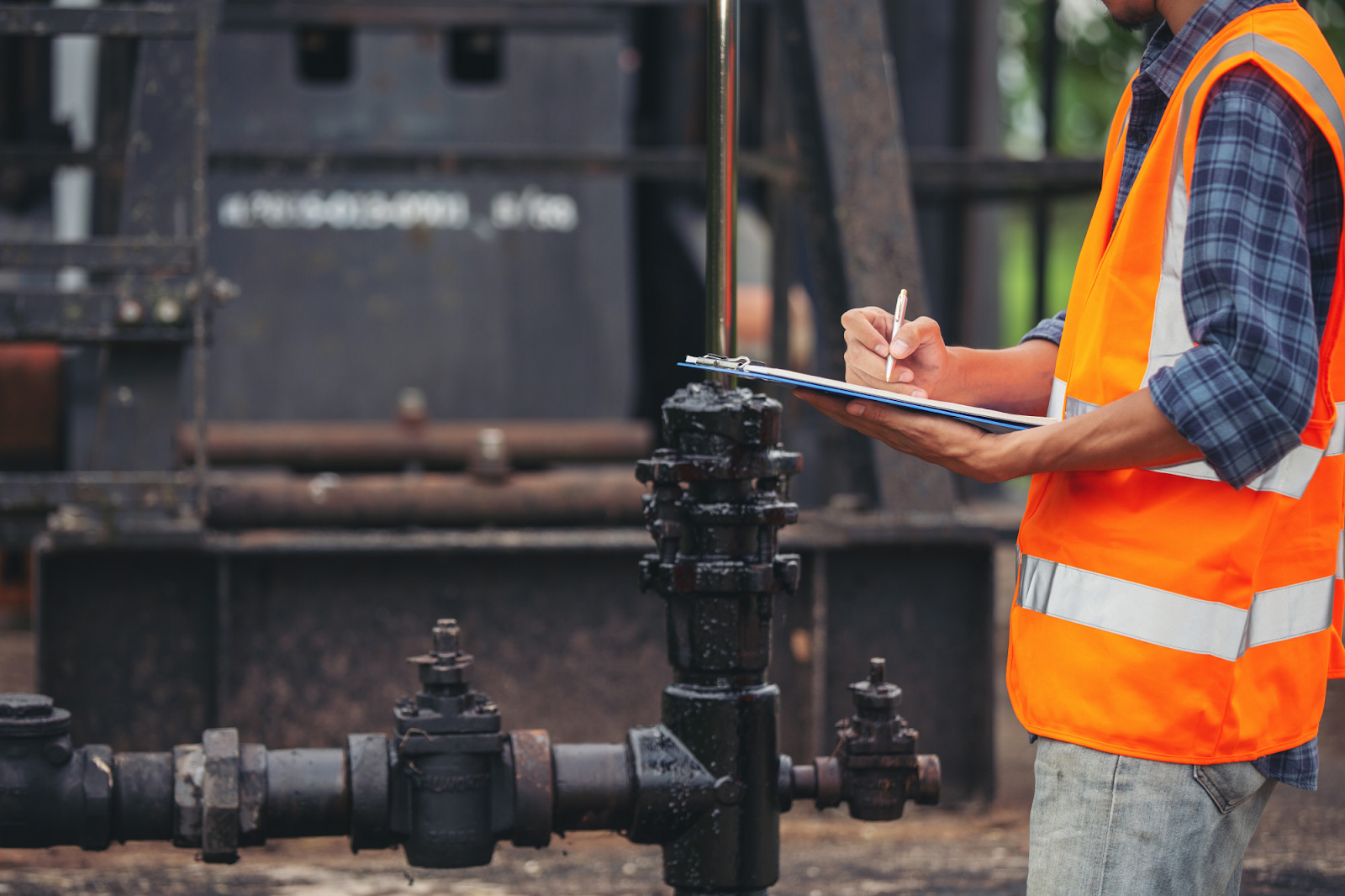
Urban development has increased the need for safer and more accurate underground excavation methods. Hydro excavation has become a widely adopted approach because it reduces the risks associated with mechanical digging. The method uses pressurised water to loosen soil and a vacuum system to remove the resulting material. This controlled process limits damage to underground utilities and surrounding ground conditions.
Principles of Hydro Excavation
Hydro excavation is a non-destructive digging technique. High-pressure water breaks up soil, which is then extracted through a powerful vacuum hose and transferred into a holding tank. The process allows operators to excavate with a high degree of control, making it suitable for areas where buried infrastructure is present.
Unlike traditional equipment such as backhoes or trenchers, hydro excavation does not rely on metal teeth or blades that can strike pipes or cables. Instead, water performs the cutting action, reducing the likelihood of service disruption and repair costs. The approach is particularly useful in densely developed areas where underground networks are complex.
Core Equipment
The main piece of equipment used is a hydro excavator, typically mounted on a truck. It includes:
- A high-pressure water pump to break up soil.
- A vacuum system to remove soil and water slurry.
- A debris tank to store excavated material.
Water pressure levels can be adjusted to match soil conditions, from loose ground to compacted clay. The vacuum system ensures that loosened material is removed quickly, maintaining a clean and visible work area.
Specialised nozzles are attached to the water lance. These nozzles can alter the spray pattern, allowing operators to focus the jet precisely. This improves accuracy and reduces unnecessary disturbance to the nearby ground.
Applications
Hydro excavation is used across several sectors due to its accuracy and flexibility.
- Utility Location and Exposure: The method is commonly used to expose buried gas lines, water mains, drainage systems and telecommunications cables. By uncovering utilities carefully, contractors reduce the risk of accidental strikes.
- Potholing and Daylighting: Potholing, also known as daylighting, involves creating small inspection holes to confirm the position and depth of underground services. Hydro excavation allows these checks to be completed safely before larger construction works begin.
- Slot Trenching: Narrow trenches can be formed for the installation of pipes, cables or conduits. The resulting trench lines are controlled and stable, supporting accurate placement.
- Site Clearing and Debris Removal: The vacuum function can remove standing water, mud and certain non-hazardous materials. This makes it useful for cleaning and preparation tasks.
- Environmental and Sensitive Areas: In locations where ecosystems or landscaped areas must be protected, hydro excavation limits surface disruption. Soil can be removed with minimal impact on surrounding vegetation or infrastructure.
Advantages
Hydro excavation offers several operational and safety benefits.
- Improved Safety
Mechanical excavation can damage buried services and expose workers to hazards. By reducing direct contact with underground infrastructure, hydro excavation lowers the likelihood of injury and service interruption. - Accuracy and Control
The water jet can be directed precisely, enabling targeted excavation. This reduces unnecessary soil removal and supports efficient project planning. - Reduced Surface Disturbance
Compared with conventional digging, the area affected at ground level is smaller. This decreases reinstatement requirements and associated costs. - Environmental Considerations
Because water is the primary cutting medium, the process produces less ground vibration and disruption. The contained slurry can be transported and disposed of in accordance with environmental regulations. - Lower Risk of Secondary Damage
Avoiding accidental strikes on utilities prevents further excavation, emergency repairs and service downtime, which can offset higher operational costs.
Challenges and Limitations
Although hydro excavation offers many advantages, certain constraints must be considered.
- Water Supply and Slurry Disposal
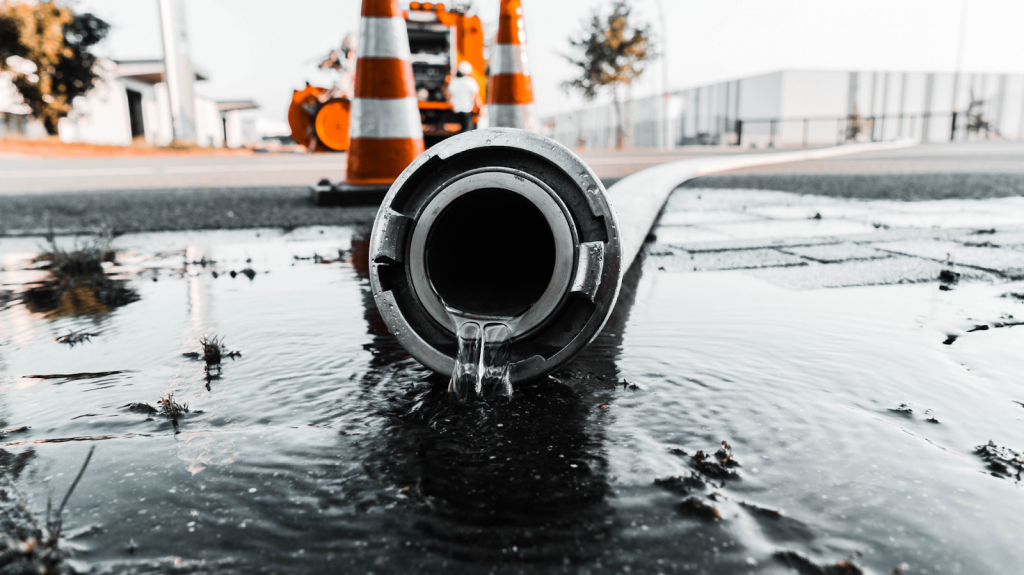
A consistent water source is necessary. The slurry collected in the debris tank must be transported and disposed of in line with local environmental requirements. - Weather Conditions
Extremely low temperatures can affect water flow and create freezing hazards. In colder climates, heated water systems may be required. - Equipment and Operating Costs
Hydro excavation units involve a higher upfront investment compared with some mechanical alternatives. Water usage and disposal costs must also be factored into project budgets. However, these expenses may be balanced by reduced repair and reinstatement costs. - Training Requirements
Operators require specific training to manage water pressure, vacuum systems and safety procedures effectively. Competent handling is essential to maintain accuracy and prevent damage.
Technological Developments
Advancements in equipment design continue to improve performance. Modern hydro excavators may incorporate monitoring systems that provide feedback on pressure levels, tank capacity and operational status. Real-time data supports better decision-making on-site.
Some manufacturers are exploring automation features, including sensor-based controls to improve consistency and predictability. These developments aim to enhance efficiency while maintaining the precision that defines hydro excavation.
Conclusion
Hydro excavation has established itself as a practical alternative to conventional digging methods, particularly in environments where underground infrastructure is dense or sensitive. By combining pressurised water with vacuum extraction, the technique enables controlled soil removal with reduced risk to utilities and workers.
As infrastructure networks expand and regulatory standards evolve, the demand for accurate and low-impact excavation methods is likely to continue. Hydro excavation is positioned to remain a key solution in supporting safe and efficient underground works.