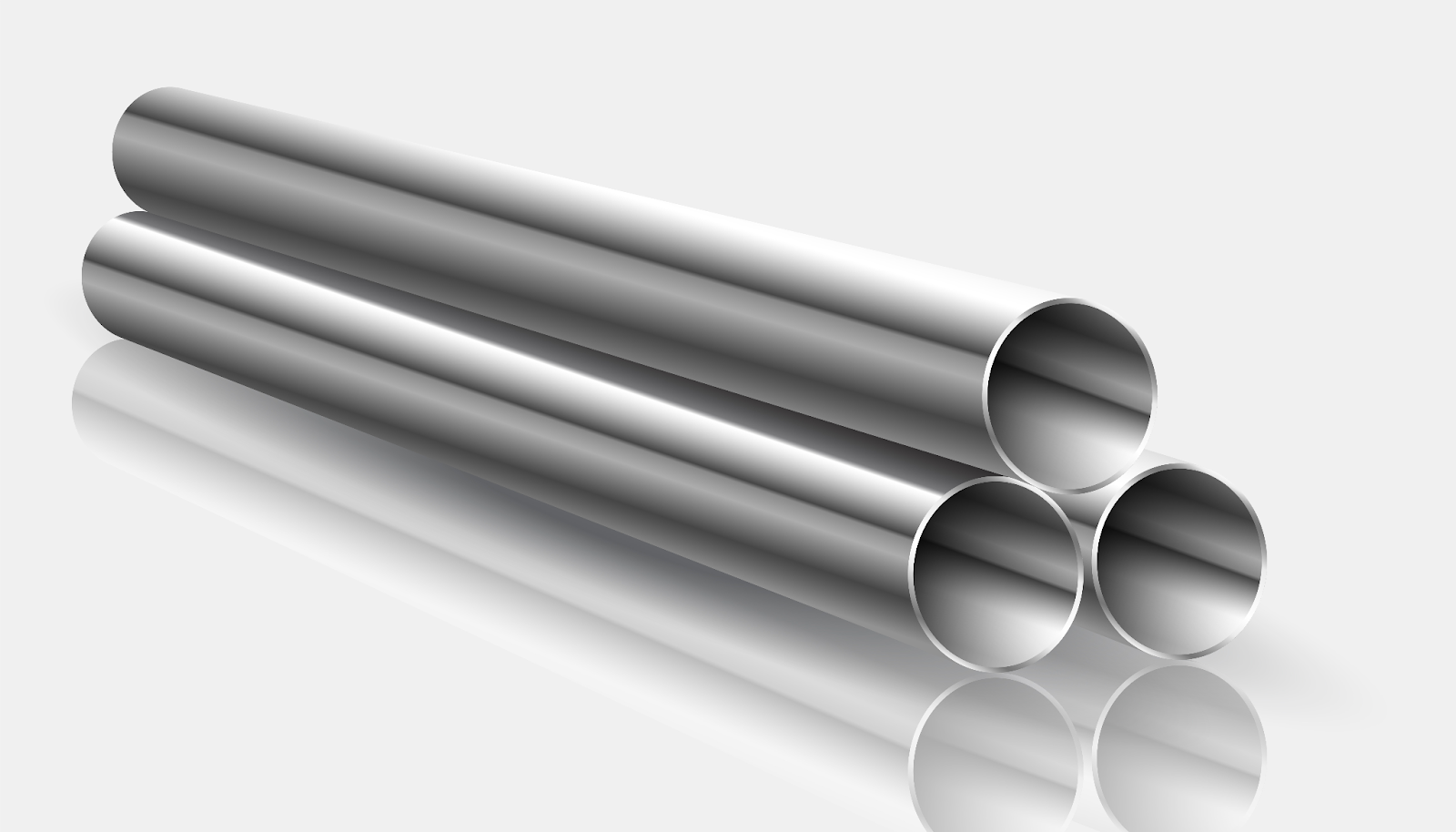
In manufacturing and construction, selecting dependable stainless steel suppliers directly affects product quality, project efficiency, and overall costs. Stainless steel is widely used because of its durability, corrosion resistance, and long service life. Reliable stainless steel suppliers play a crucial role in ensuring consistent material quality and timely delivery for various industrial needs. It supports applications in sectors such as construction, architecture, food processing, and medical equipment. For businesses that rely on this material, working with a consistent and reliable supplier is essential to maintaining standards and meeting project requirements.
Evaluating Supplier Reputation and Experience
A supplier’s reputation often reflects the reliability of its products and services. Businesses that have operated in the stainless steel industry for many years tend to have more refined processes and established supply networks. Reviewing client testimonials, industry forums, and independent feedback can help determine whether a supplier consistently meets expectations.
Experience also indicates the ability to handle complex requirements. Suppliers that have worked with various industries are more likely to understand technical specifications, regulatory requirements, and delivery expectations. This experience helps reduce the risk of supply disruptions or quality issues.
Assessing Product Range and Capabilities
A reliable supplier should offer a broad range of stainless steel grades and product forms. Different grades are designed for specific applications, each with distinct properties such as corrosion resistance, strength, and heat tolerance. Access to multiple grades allows businesses to select materials suited to their exact needs.
Beyond material availability, processing capabilities also matter. Many suppliers provide services such as cutting, forming, polishing, and finishing. These additional capabilities streamline procurement and reduce reliance on multiple vendors. When suppliers can process materials to specification, businesses often improve production and installation efficiency.
Verifying Material Quality and Compliance
Material quality is a critical factor when sourcing stainless steel. Reliable suppliers provide documentation showing that their products comply with recognised international standards. These certifications confirm that materials meet specific testing and manufacturing requirements.
Businesses may also request product samples before placing large orders. Examining samples allows buyers to assess surface finish, dimensional accuracy, and overall material consistency. Consistent quality across different batches is essential for maintaining product reliability and meeting regulatory standards.
Analysing Supply Chain Reliability
Supply chain performance influences project schedules and operational stability. A supplier’s logistics capability determines whether materials arrive on time and in the required quantities. Reliable suppliers maintain efficient inventory systems and strong distribution networks to manage demand fluctuations.
Clear communication about lead times is also important. Suppliers that provide accurate timelines allow businesses to plan production and construction schedules more effectively. Transparent updates regarding potential delays help minimise disruptions and support better project management.
Examining Customer Service and Technical Support
Customer service plays a key role in supplier relationships. Responsive communication and knowledgeable staff indicate a supplier’s commitment to long-term cooperation. When suppliers provide technical guidance, businesses gain assistance in selecting the correct materials for specific applications.
Strong support can also help resolve issues quickly if problems arise. Suppliers that prioritise collaboration are more likely to work closely with clients to address challenges and maintain smooth procurement processes.
Considering Pricing and Payment Terms
Pricing remains an important factor in supplier selection, although it should not be the only consideration. Competitive pricing must still align with quality standards and reliable service. Comparing quotes from multiple suppliers helps businesses understand market pricing and identify reasonable offers.
Transparent pricing structures are particularly valuable. Clear quotations, free of hidden charges, support better budgeting and financial planning. Flexible payment terms, including bulk discounts or long-term contract pricing, may also benefit companies managing cash flow.
Reviewing Ethical and Environmental Practices
Environmental responsibility has become increasingly important in modern supply chains. Many organisations now prefer suppliers that demonstrate responsible sourcing and sustainable manufacturing practices. These practices may include energy-efficient production, recycling initiatives, and waste reduction strategies.
Working with environmentally responsible suppliers can support a company’s sustainability goals while reducing the environmental impact of manufacturing and construction.

Requesting References and Conducting Site Visits
References from current or past clients provide useful insight into a supplier’s performance. Conversations with these clients can reveal how the supplier manages deliveries, resolves issues, and maintains product quality.
When possible, visiting a supplier’s facility can provide additional insight into their operations. Observing manufacturing processes, quality control procedures, and storage systems helps confirm whether the supplier maintains professional standards.
Evaluating Technology and Innovation
Suppliers that invest in modern technology often achieve greater efficiency and consistency. Advanced machinery, automated production systems, and digital logistics platforms can improve product accuracy and shorten processing times.
Technology also supports better communication and order tracking. Businesses working with technologically advanced suppliers may benefit from improved transparency and faster response times throughout the procurement process.
Reviewing Contract Terms and Legal Considerations
Before establishing a long-term partnership, businesses should carefully review all contractual terms. Agreements should clearly outline product specifications, delivery schedules, warranties, and dispute resolution procedures. Clear documentation helps prevent misunderstandings and protects both parties.
For significant supply contracts, consulting a legal professional may be advisable. Ensuring that all terms are fair and clearly defined reduces risk and supports stable long-term partnerships.
Conclusion
Selecting a reliable stainless steel supplier requires careful evaluation of several factors, including reputation, product capabilities, quality standards, logistics performance, customer support, pricing, and ethical practices. By systematically assessing these elements, businesses can identify suppliers capable of meeting both operational and quality expectations.
A strong supplier relationship contributes to stable operations, consistent material performance, and efficient project delivery. With the right partner, organisations can maintain high standards while supporting long-term growth and competitiveness.